Professional training plays a vital role in ensuring the highest service quality in the cleaning industry. Well-trained cleaners have a significant impact on the cleanliness and hygiene of homes, businesses, and various establishments. They possess the knowledge, skills, and expertise required to deliver exceptional results. Investing in ongoing training and development for cleaners offers numerous benefits, including improved service quality, customer satisfaction, and overall efficiency.
The Fundamentals of Cleaning
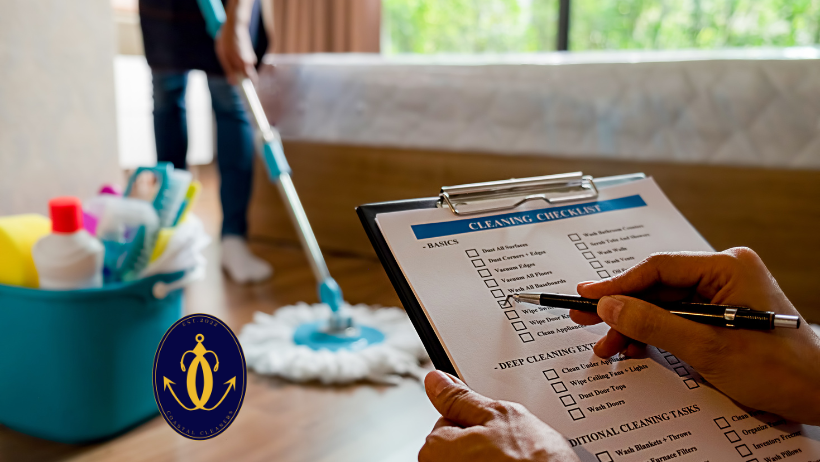
Professional training equips cleaners with the fundamentals of effective cleaning techniques. They learn the importance of proper sanitation and hygiene practices to maintain a healthy environment. Cleaners gain knowledge of different cleaning tools and equipment, enabling them to use them efficiently and effectively. Understanding the basics of cleaning ensures that every task is carried out systematically, resulting in thorough and satisfactory cleaning outcomes.
Safety and Health Considerations
Safety and health considerations are paramount in the cleaning industry. Professional training includes instruction on the proper handling of cleaning chemicals, minimizing the risk of accidents or injuries. Cleaners receive training on safety protocols and procedures, ensuring their well-being and that of the occupants. They are made aware of potential hazards and are trained to mitigate risks effectively. By prioritizing safety and health, well-trained cleaners provide a secure environment for everyone involved.
Specialized Cleaning Techniques
Certain cleaning tasks require specialized knowledge and techniques. Through professional training, cleaners acquire the skills necessary to handle specific cleaning tasks such as carpet cleaning, window cleaning, or floor care. They gain an understanding of the nuances associated with different surfaces and materials, ensuring proper cleaning without causing damage. With specialized training, cleaners are equipped to handle delicate or sensitive areas, delivering outstanding results while maintaining the integrity of the surfaces.
Time Management and Efficiency
Efficiency and time management are essential for professional cleaners. Through training, cleaners learn effective workflow and task prioritization techniques, optimizing their productivity. They acquire strategies for maximizing efficiency while minimizing downtime between tasks. With well-developed time management skills, trained cleaners can complete their work in a timely manner without compromising the quality of the cleaning services provided.
Customer Service and Communication Skills
Customer service and communication skills are crucial for cleaners who interact with clients and colleagues regularly. Professional training focuses on effective communication, enabling cleaners to understand client requirements and address any concerns promptly. They develop customer service skills to provide a positive experience and handle client feedback professionally. By building strong relationships with clients, well-trained cleaners ensure customer satisfaction and loyalty.
Conclusion
In conclusion, professional training for cleaners is instrumental in enhancing service quality. By equipping cleaners with the fundamentals of cleaning, safety and health considerations, specialized techniques, time management skills, and customer service abilities, their overall performance improves significantly. The result is exceptional cleaning outcomes, satisfied clients, and efficient cleaning operations. Coastal Cleaners, as a provider of professional cleaning services, understands the importance of ongoing training and development to deliver cost-effective, reliable, and high-quality cleaning solutions. By investing in professional training, cleaners can continuously refine their skills and expertise, raising the bar for service excellence in the cleaning industry.
Proper waste management is of utmost importance in the cleaning industry. The generation and disposal of waste can have significant environmental impacts. As an environmentally friendly cleaning company, Coastal Cleaners recognizes the importance of implementing recycling practices to minimize waste and promote sustainability. By adopting recycling initiatives, cleaning companies can contribute to a greener future and reduce their ecological footprint.
Understanding Recycling Basics
To effectively implement recycling practices, it’s essential to understand the basics of recycling. Recycling involves the conversion of waste materials into reusable resources through various processes. Differentiate between recyclable and non-recyclable materials to ensure proper sorting and disposal. Familiarize yourself with the recycling symbol, which consists of three arrows forming a triangle, to identify recyclable products and packaging.
Setting Up a Recycling Program
Setting up a recycling program is a crucial step in sustainable waste management. Assess the waste streams in your cleaning operations to identify recyclable materials commonly used, such as plastic bottles, cardboard, paper, and electronic waste. Design a recycling plan that suits your specific needs and allocate designated recycling bins throughout your facilities. Ensure that your staff is educated on recycling guidelines and best practices to ensure consistent and proper recycling practices.
Sorting and Segregation of Recyclables
Proper sorting and segregation of recyclables are essential to maximize the effectiveness of your recycling program. Educate your staff on the different types of recyclable materials and how to separate them correctly. Provide clear instructions and visual aids to guide them in the sorting process. Emphasize the importance of avoiding contamination in recycling bins, as even a small amount of non-recyclable materials can compromise the entire batch.
Recycling Common Cleaning Industry Materials
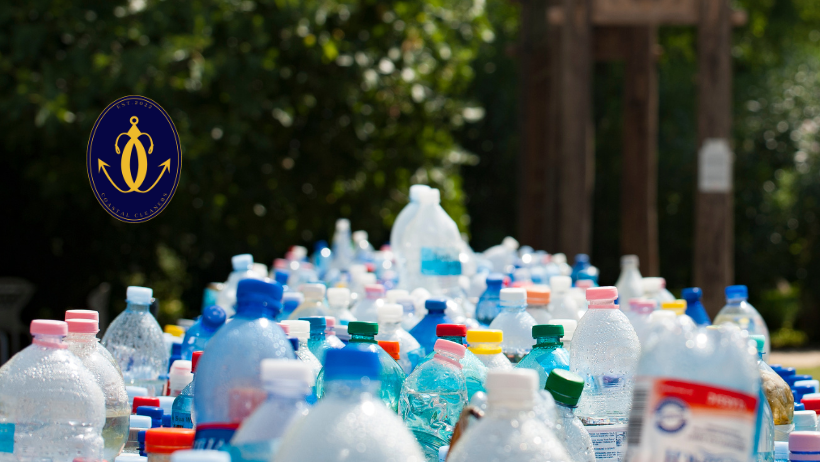
In the cleaning industry, several materials commonly used can be recycled. Plastic bottles and containers, such as those used for cleaning solutions, should be rinsed and recycled accordingly. Cardboard and paper products, including packaging and office waste, should be collected separately and sent for recycling. Additionally, electronic waste and batteries should be disposed of through proper recycling channels to prevent harmful substances from entering the environment.
Sustainable Waste Management Strategies
To go beyond recycling, cleaning companies can implement additional waste reduction strategies. Source reduction practices, such as reducing the use of single-use products and implementing reusable alternatives, can significantly decrease waste generation. Composting is another eco-friendly waste management option, allowing organic waste to be transformed into nutrient-rich soil. Partnering with recycling centers and waste management companies ensures that your recyclable materials are processed correctly and diverted from landfills.
Conclusion
Proper waste management, including recycling practices, is vital for the cleaning industry to minimize its environmental impact. By understanding the basics of recycling, setting up a recycling program, ensuring proper sorting and segregation, recycling common cleaning industry materials, and implementing sustainable waste management strategies, cleaning companies can contribute to a greener future. Coastal Cleaners encourages all cleaning companies to adopt these eco-conscious practices and be part of the solution. By taking proactive steps towards proper waste management, we can collectively reduce waste, preserve natural resources, and create a cleaner and healthier environment for future generations.
Stains can be a real headache, whether they appear on clothing, upholstery, or surfaces. Knowing effective stain removal techniques is essential for maintaining clean and presentable surroundings. At Coastal Cleaners, we understand the impact stains can have on the overall appearance and cleanliness of your home or business. That’s why we’re sharing some expert tips and tricks for effective stain removal, empowering you to tackle even the toughest stains with confidence.
Understanding Common Stains and their Properties
Before diving into stain removal techniques, it’s helpful to understand the different types of stains and their properties. Stains can come in various forms, including food stains, grease stains, ink stains, and more. Each stain type presents unique challenges due to its composition and origin. By identifying the stain based on its properties, you can apply the most appropriate stain removal methods for optimal results.
General Stain Removal Techniques
When it comes to stain removal, immediate action is key. As soon as you notice a stain, it’s important to act quickly to prevent it from setting. Start by blotting or gently scraping off any excess stain material. Next, pre-treat the stain using common household products such as dish soap, hydrogen peroxide, or vinegar. Remember to test any stain removal method on a small, inconspicuous area before applying it to the entire stained surface. This helps ensure compatibility and avoids any potential damage.
Stain Removal for Specific Surfaces or Materials
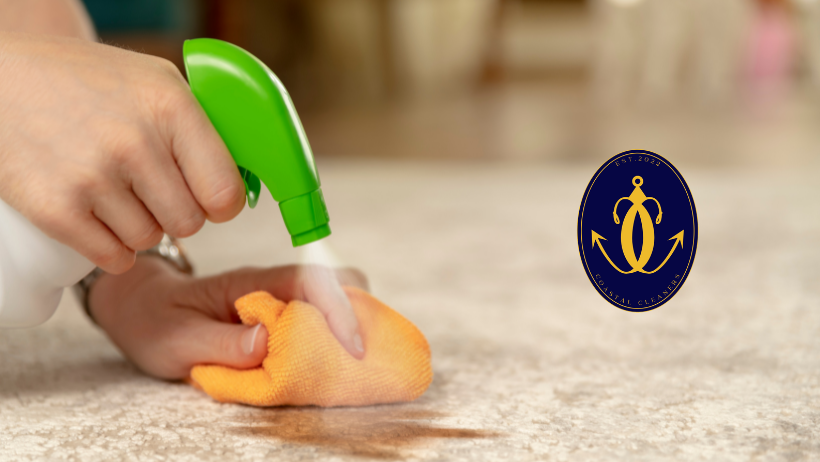
Different surfaces and materials require tailored stain removal approaches. For clothing and fabrics, start by checking the garment’s care label for specific instructions. Treat stains promptly by applying a stain remover or using a mixture of detergent and water. For carpets and upholstery, blot the stain with a clean cloth, then apply a carpet or upholstery cleaner according to the product instructions. When dealing with stains on hard surfaces like countertops or floors, use mild cleaning agents and non-abrasive tools to avoid damaging the surface while effectively removing the stain.
Specialized Stain Removal Methods
Some stains can be particularly stubborn, but with the right techniques, they can be conquered. Red wine stains, oil stains, and rust stains are notoriously difficult to remove. For red wine stains, try blotting the stain and applying salt or white wine to neutralize it. Oil stains may require a combination of dish soap, warm water, and gentle scrubbing. Rust stains can be treated with lemon juice and salt, or with a commercial rust remover. Set-in stains and older stains may need more intensive treatments, such as soaking in a stain remover or using a specialized stain removal product. When dealing with delicate or sensitive materials, it’s best to consult professional cleaning services to ensure the stain is removed safely and effectively.
Stain Prevention and Maintenance Tips
Prevention is always better than cure when it comes to stains. Minimize the risk of stains on clothing and surfaces by adopting some simple practices. Be cautious when consuming stain-prone foods and beverages, and promptly clean up any spills or accidents. Proper storage and handling of stain-prone items, such as storing items in sealed containers or using protective covers, can help prevent stains. Regular maintenance, such as vacuuming carpets or wiping down surfaces, can also help keep stains at bay.
Conclusion
Mastering the art of stain removal is a valuable skill that allows you to maintain clean and pristine environments. By understanding the properties of different stains and employing effective stain removal techniques, you can tackle stains head-on. Remember to act quickly, test stain removal methods, and adapt techniques to specific surfaces and materials. In cases where stains prove particularly challenging, don’t hesitate to seek professional help. With these expert tips and tricks, you’ll be well-equipped to handle stains and maintain a clean and inviting space.